
Hadatai Color Standards
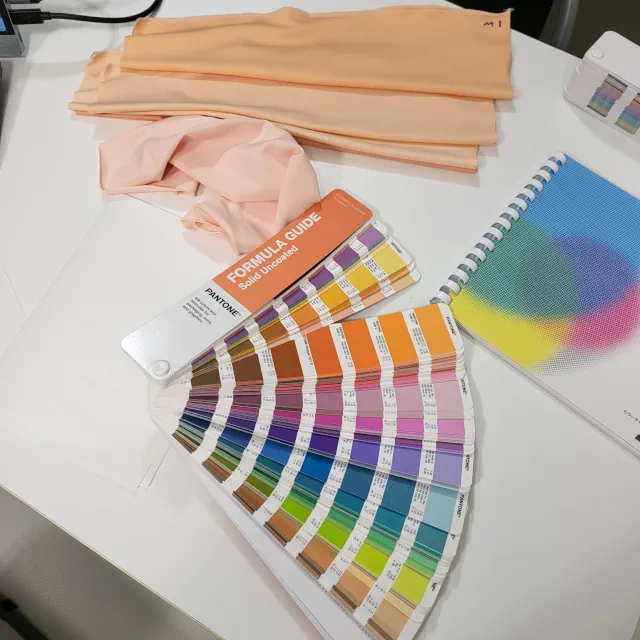
We are publicly sharing the colors of hadatai. By standardizing these colors with kigurumi mask manufacturers, it becomes easier to unify the colors of hadatai and masks.
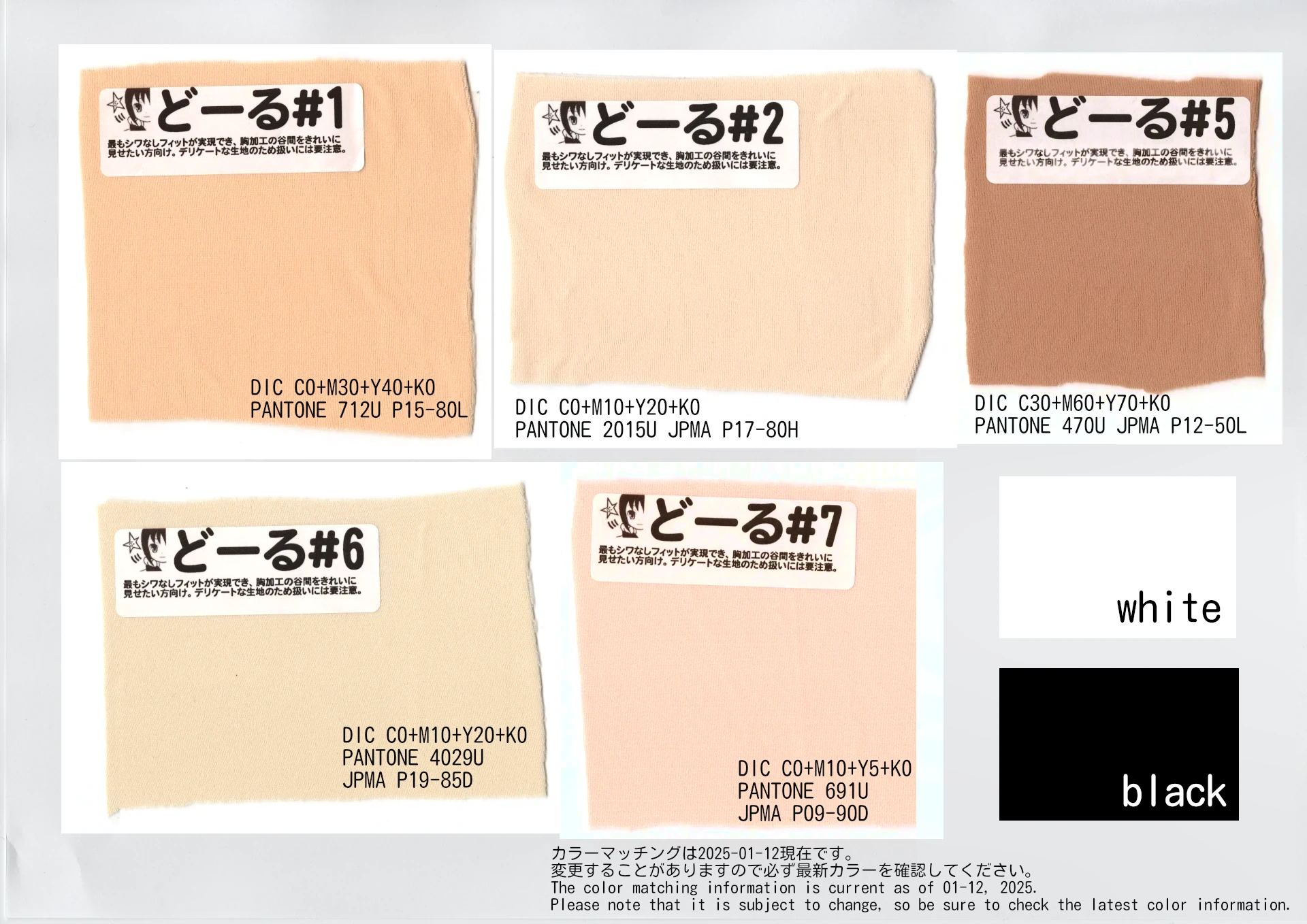 Doll · Kakitsubata
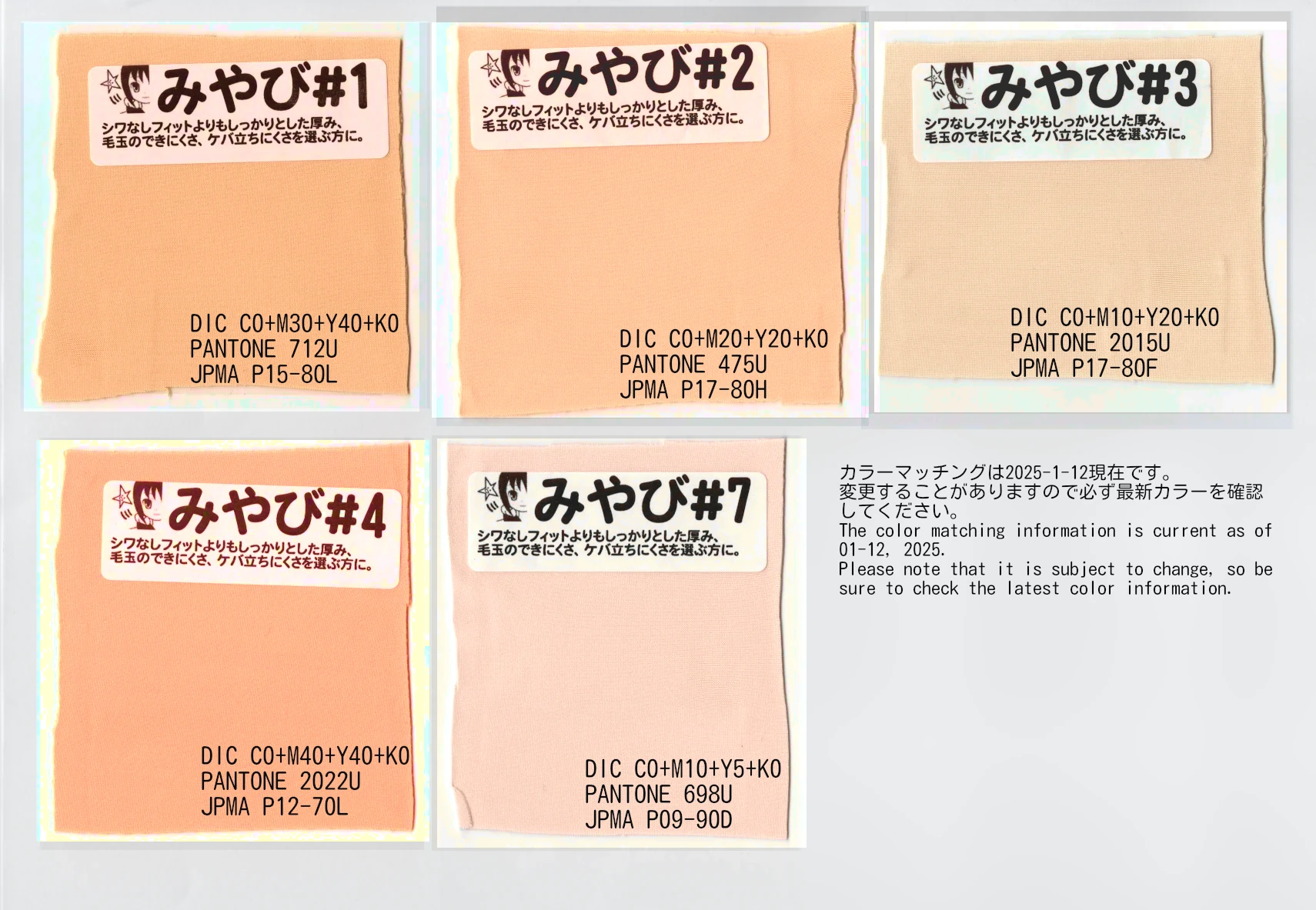 Miyabi
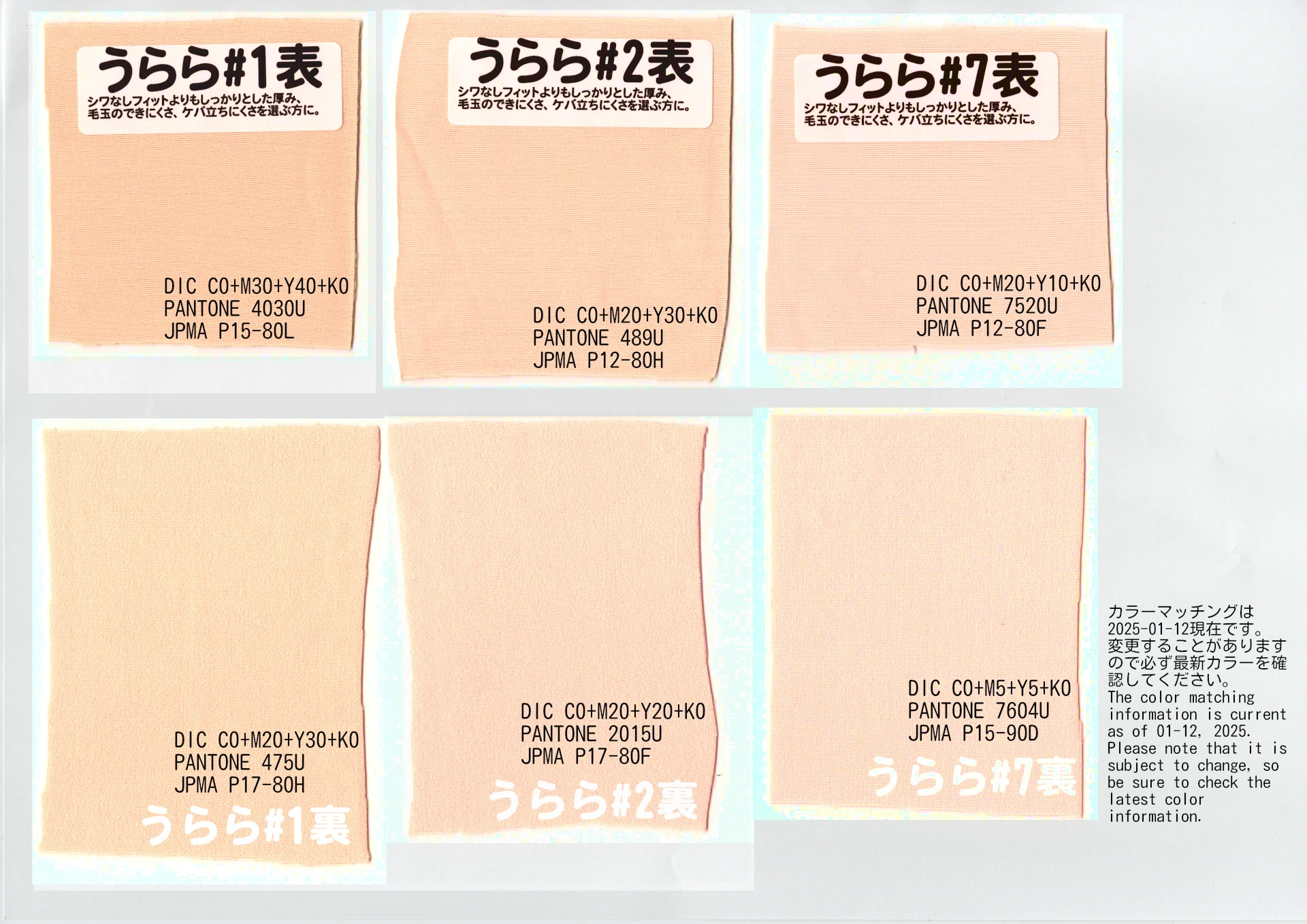 Urara
Urara
- DIC is expressed in "CMYK". You can check it with the DIC Cell Ring Color Chart.
- PANTONE is expressed in "color numbers". You can check it with the PANTONE Formula Guide GP1601B.
Validity Period
The color standards for hadatai are not permanent and may change in the future. We recommend that you regularly check the standards.
We strive to continue production by contracting directly with factories to maintain the same fabric as much as possible. However, as the textile industry in Japan is in decline, factory closures are inevitable. When our contracted fabric factory shuts down, we establish new contracts with production factories, but this often means starting from scratch. Compatibility is our top priority, but slight color variations may still occur.
Disclaimer
- Our color matching service is a simplified method that uses all feasible means available in a household setting. It is not professional color matching as performed by design companies or printing factories.
- The color matching selects the color that most closely resembles the actual hadatai. However, we cannot guarantee an exact match.
- We are not liable for any results arising from the use of this information. Thank you for your understanding in advance.
⇩⇩⇩ Technical Details Below ⇩⇩⇩
Warm Tones and Cool Tones
Traditionally, customers would select hadatai colors based on predefined kigurumi mask colors. However, by allowing customers to choose their own skin tone and specify their preferences to both our store and the mask manufacturers, we can now account for warm tones (yellow-based) and cool tones (blue-based) for character skin tones.
 Warm Tones (Yellow Base) - Hadatai colors: #1, #2, #3
 Cool Tones (Blue Base) - Hadatai colors: #7
Color Matching Precision
The PANTONE Formula Guide and DIC Cell Ring Color Chart are swatch books used to standardize colors in printed materials and devices. Since device screens and printed materials can display colors differently, variations may occur depending on the environment.
These color charts provide a reference for consistent color reproduction and are essential tools for design and printing companies. DIC is widely used in Japan's printing industry as a domestic standard, while PANTONE serves as an international standard for ink manufacturers and printers.
However, these color charts are expensive and have validity periods. Considering cost, we use DIC’s Cell Ring Color Chart for domestic users. For international transactions, the PANTONE Formula Guide is recommended.
The PANTONE Formula Guide contains 2,390 colors, while the DIC Cell Ring Color Chart contains 396 colors. While DIC has fewer colors and may lack precision, it is sufficient for kigurumi mask and hadatai color matching, particularly for non-specialist customers or when high accuracy is not required.
Hadatai and Color Matching at Our Store
We conduct color matching under the following conditions:
- Using four spotlights for photography and ceiling LEDs
- Matching performed in a workspace with lighting close to D50 (daylight standard)
- Using gloves made from hadatai fabric, focusing on the "arm" area for matching
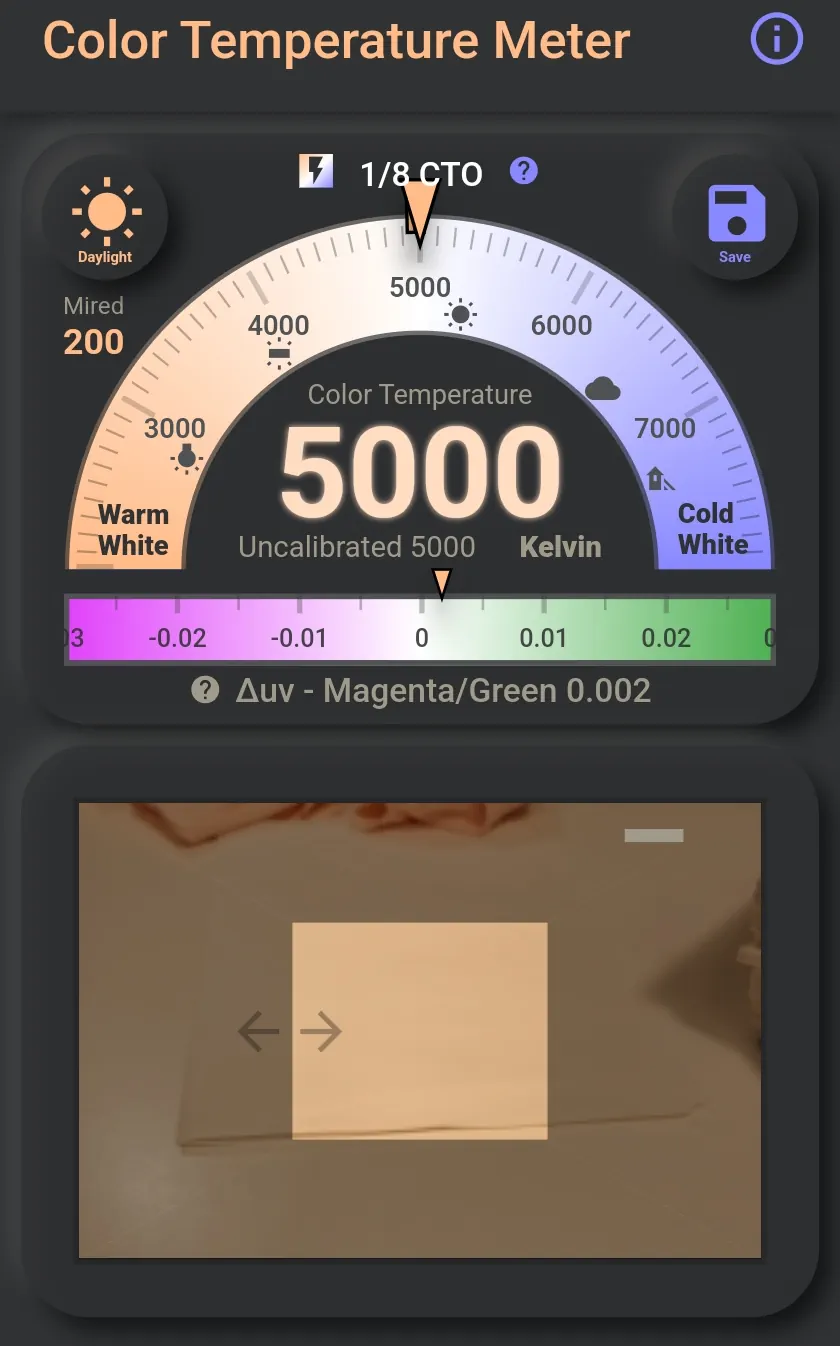
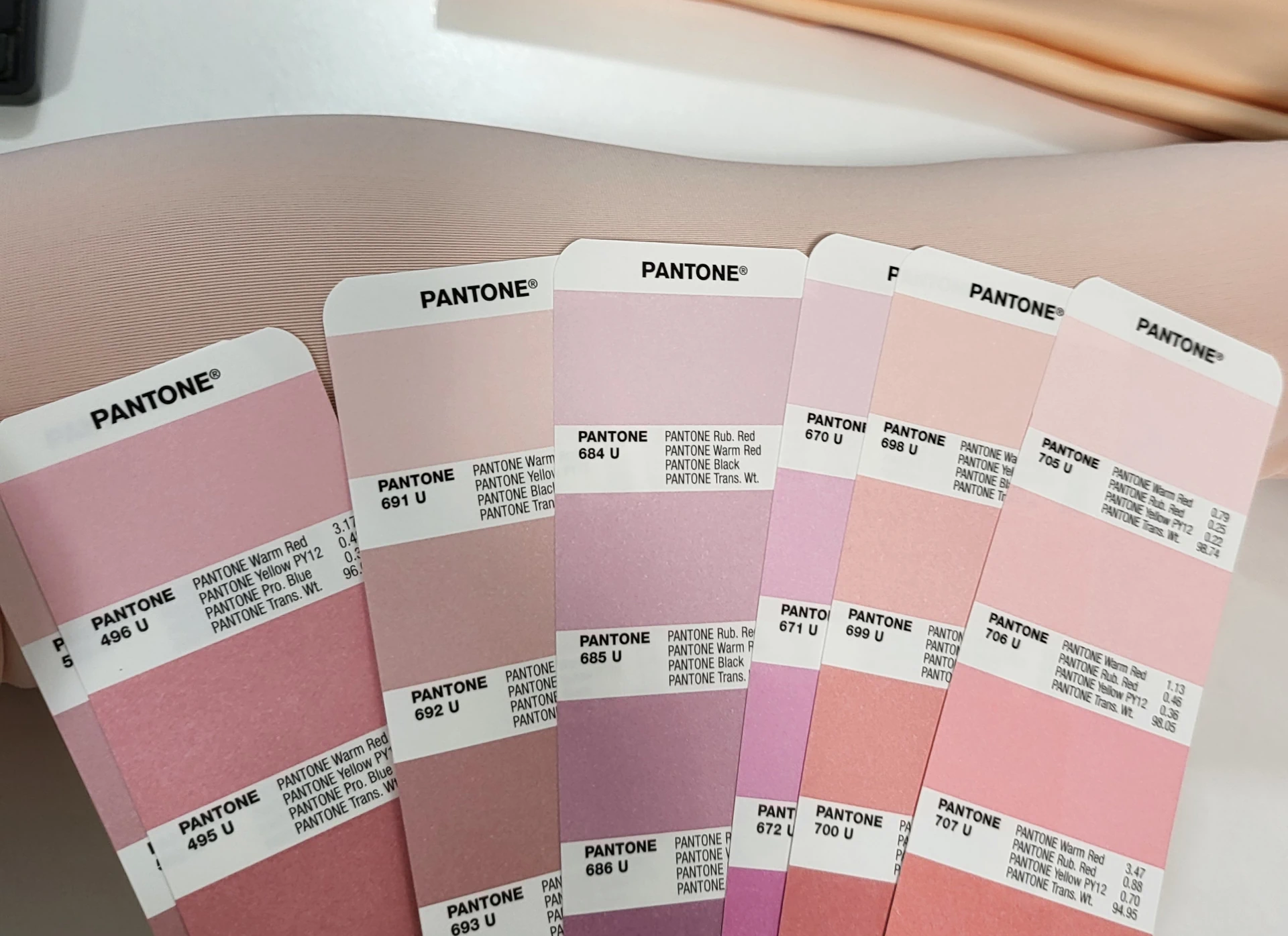
These methods do not involve professional printing factories or studios.
Under outdoor clear skies with house shadows (around 6500K color temperature), the CMYK appears slightly lighter by -5 to -10 for Y and M. Accurate outdoor color matching is not performed due to changes in weather and time of day.
Color Rendering
The appearance of hadatai color differs between indoor and outdoor settings. This is due to color rendering. However, our fabrics are designed to minimize these differences, so some users may not notice them.
Color rendering refers to how light affects the appearance of an object's color. For example, a garment may look different under sunlight compared to indoor lighting. This phenomenon highlights the effect of lighting on object colors.
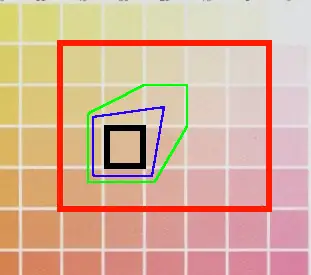
- The black frame represents the target color for kigurumi masks.
- The red frame indicates the expected color rendering range of conventional hadatai colors.
- The green frame represents the expected color rendering range for doll hadatai and kakitsubata hadatai.
- The blue frame represents the expected color rendering range for miyabi hadatai and urara hadatai.
Due to differences in materials, hadatai and kigurumi masks may experience slight color deviations. Based on the DIC Cell Ring Color Chart:
- Doll and kakitsubata are expected to shift by approximately Y-10 and M-10.
- Miyabi and urara are expected to shift by approximately Y-5 and M-5.
For kigurumi masks, deviations primarily occur in the Y component, depending on the manufacturer.